1.
Assets
2.
Access

3.
Adherence

4.
Government & Community

5.
Development
1. Sexual and Reproductive Health/Mental Health Knowledge (Assets)
SKILLZ Interventions
- SKILLZ Girl programme for adolescent girls and young women (AGYW) aged 15-19 years: The SKILLZ Girl curriculum is delivered by female Coaches who create a safe space to mentor and engage AGYW in relevant discussions about gender-based violence (GBV) prevention, gender norms, family planning and contraceptives, HIV prevention, PrEP, risk reduction, substance misuse, and service navigation.
- SKILLZ Guyz programme for adolescent boys and young men (ABYM) aged 15-19 years: The SKILLZ Guyz curriculum engages ABYM in the spaces where they already meet via age-appropriate and age-segmented social asset-building interventions that spark conversations around gender norms and SRHR, and generate demand and drive uptake of health services.
- SKILLZ Core programme for young adolescents aged 10-14 years: The SKILLZ Core curriculum reflects the profound changes brought about by puberty within a rights-based, gender-transformative framework to introduce core SRHR topics, including HIV and violence prevention. SKILLZ Core builds self-concept, physical health, and school performance, and creates a safe space to discuss power dynamics and challenge harmful gender norms.
- SKILLZ Plus programme for young people living with HIV (YLHIV) aged 10-24 years: SKILLZ Plus supports YLHIV with the knowledge, skills, and encouragement to live healthy lives and become leaders within their community. The programme creates a safe space for YLHIV to learn about navigating different aspects of living with the virus – including disclosure of their status, healthy relationships, mental health, and adherence to life-saving antiretroviral therapy (ART).
- MINDSKILLZ mental health programme for adolescents and young people aged 10-24 years: The MindSKILLZ curriculum builds resilience through a positive approach that reinforces positive coping skills and covers topics such as violence prevention, substance misuse, emotional regulation, stigma, stress/anxiety, and depression.
- Strengthening community dialogue on mental health for AYP: GRS has developed a fun, interactive and visually appealing hard-copy SKILLZ Magazine resource, which incorporates critical and comprehensive health information using soccer metaphors to engage participants beyond in-person SKILLZ interventions. The self-guided resource offers a flexible approach to deliver age- and gender-segmented health information and life skills education to youth and can be shared with family members and peers to actively strengthen parent-child communication and community engagement.
2. Uptake of Health Services (Access)
- Referrals/escorted Referrals: Using the Vulnerability Risk Assessment tool designed to identify risky behaviors among Adolescents and Young People (AYP in the SKILLZ Health Program, SKILLZ Coaches effectively identify at-risk AYP and refer them to appropriate sexual and reproductive health and rights (SRHR) and mental health services. SKILLZ Coaches leverage their strong community presence and trusted relationships with participants to ensure referrals were conducted in a confidential and safe manner, helping to connect vulnerable youth with the support they need.
- Community-Based Distribution (CBD) of contraceptives is an initiative under the Ministry of Health (MOH), that helps to expand access to contraceptives through decentralised and task shifting approaches. Within the CBD model, ordinary community members are trained to provide contraceptives and other sexual reproductive health (SRH) services, in their local communities under the mentorship and support of trained clinicians. This model is instrumental in expanding access and utilisation of contraceptives and other SRH services, among hard to reach populations and general community members, including adolescents who might shy away from uptaking SRH services due to judgemental health service provider attitudes. The GRS led CBD model is layered within its existing SKILLZ demand health activities, enabling SKILLZ coaches to use their influential roles as trusted and respected mentors to offer contraceptives,and other SRH services to adolescents in their communities. SKILLZ Coaches undergo an intensive 5 to 10 days training and ongoing mentorship from trained health service providers that enable them to expand access to contraceptives for adolescents.
- Community Outreach: GRS through SKILLZ Coaches Coaches, in collaboration with the Ministry of Health (MOH) conduct community outreach initiatives aimed to improve HIV prevention, testing, treatment, and care services by achieving the “95-95-95” targets set by UNAIDS and PEPFAR..
3. Adherence
SKILLZ Plus Clubs
- Following completion of SKILLZ Plus interventions, Youth Living with HIV will enroll in SKILLZ Plus Adherence Support Clubs facilitated by GRS Coaches and/or trained SKILLZ Plus participants “Lead Mentors”. SKILLZ Plus clubs will serve as positive peer support networks through which Youth living with HIV will meet regularly to discuss challenges related to living with HIV and support each other to adhere to ART, and access Coach-facilitated specialized mental health interventions and services covering topics such as interpersonal relationships, identifying root causes of depression and long-term MH strategies. GRS leverages its strong existing partnership with the Ministry of Health to work with health facility staff and local health systems structures to establish and sustain SKILLZ Plus Clubs in both health facilities and in decentralized, community-based settings to ensure sustainability, enhance service provision, and ensure integration of mental health support for youth living with HIV.
Teen Clubs
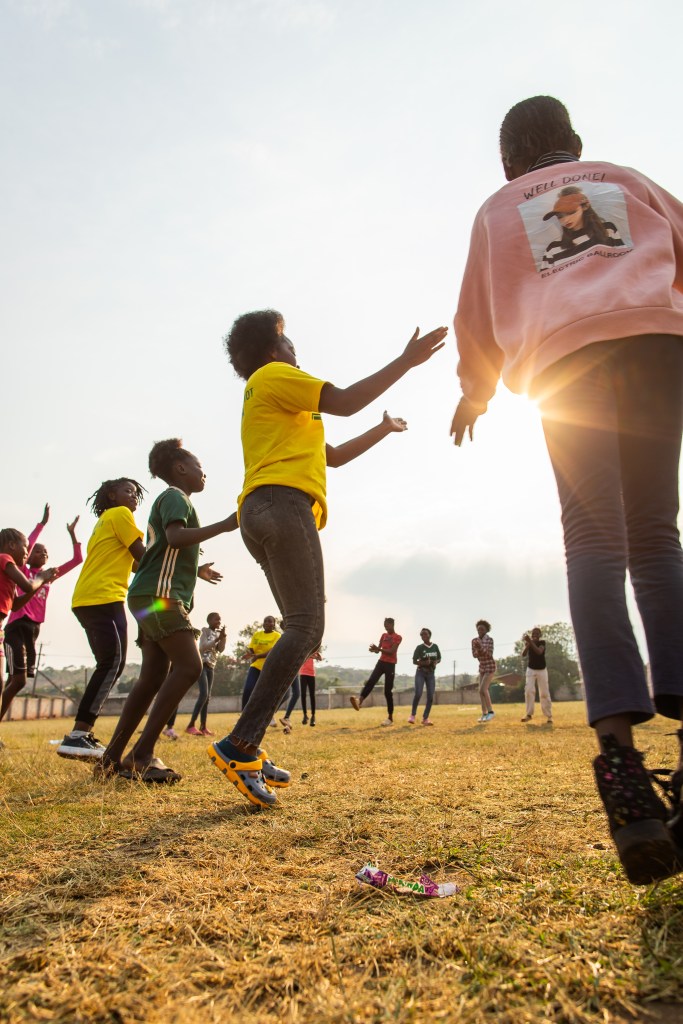
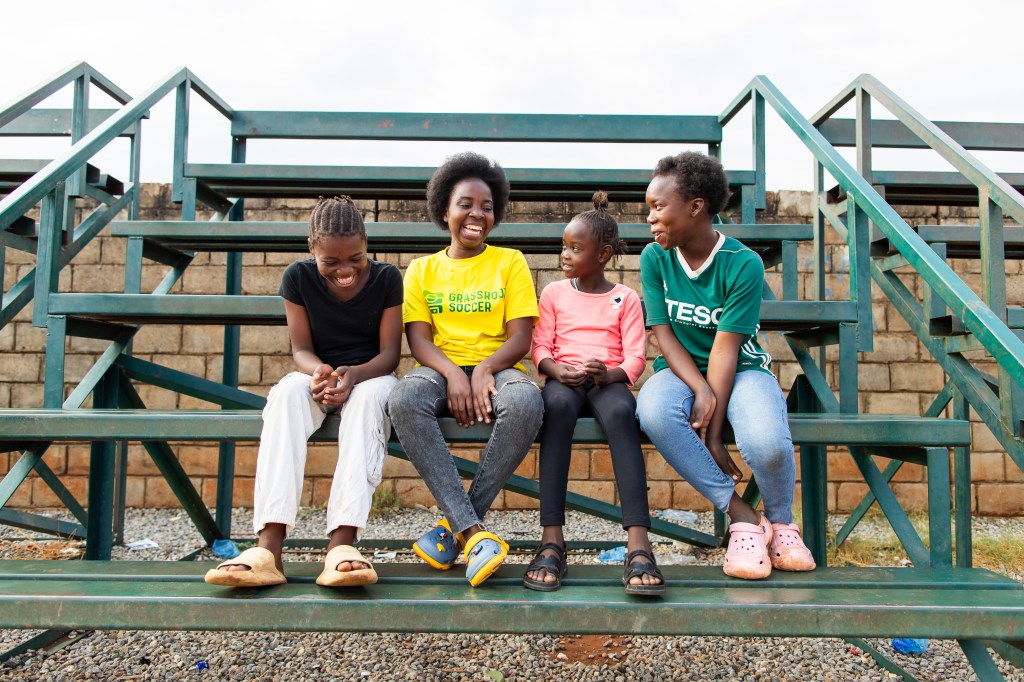
- SKILLZ Clubs are designed to support very young adolescents aged 15-19 around the importance of long-term adherence to protective behaviours and promotion of repeat uptake of SRHR services (HIV prevention and treatment, mental health, PrEP, family planning, STI screening, GBV,HPV vaccination) through soccer-based programmes, community mobilisation, Coach-facilitated linkage to care, and long-term support among AGYW/ABYM aged 15-19.
4. Stakeholder Engagement (Government and Community)
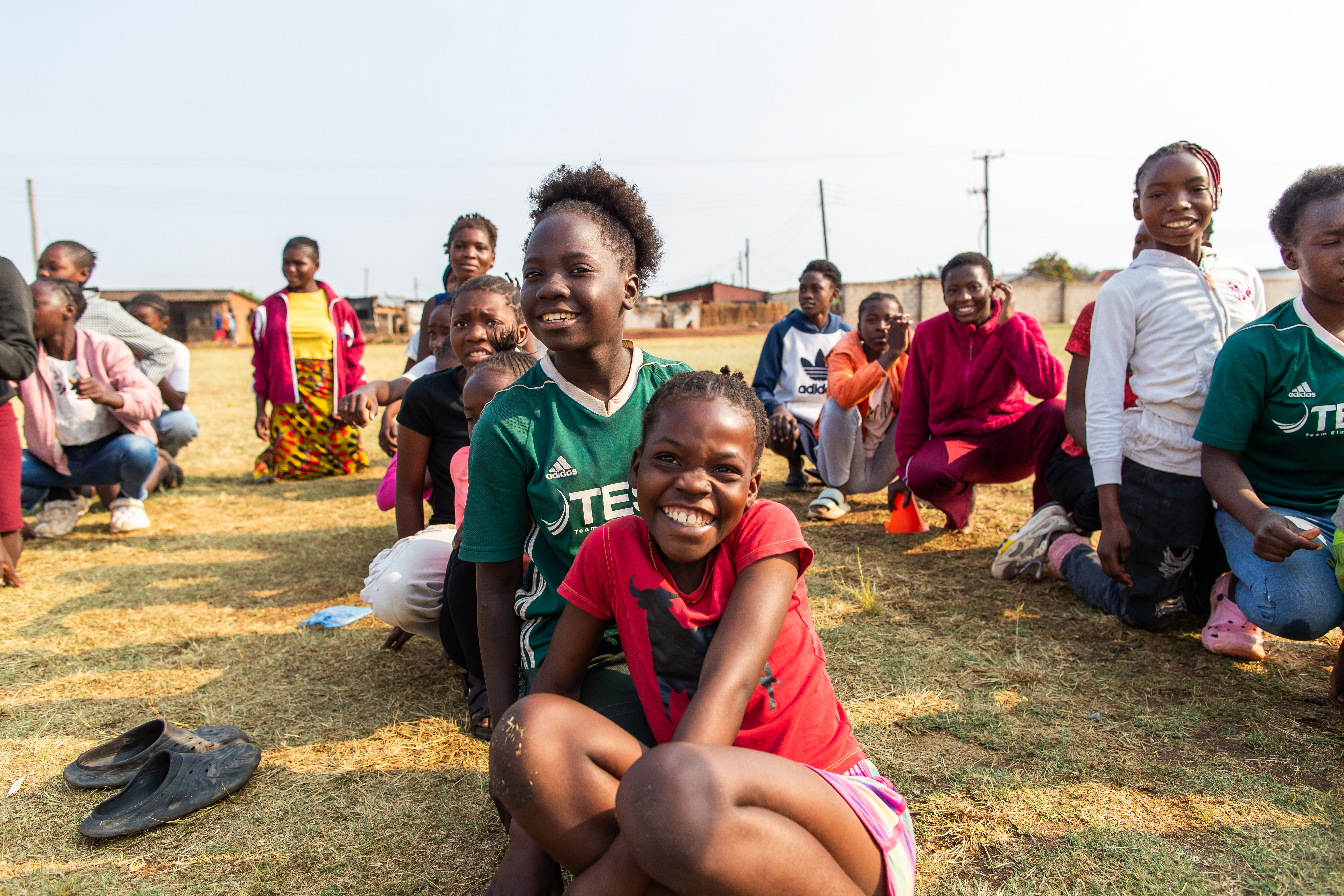
Technical Working Groups: GRS has continued to expand and solidify its focus on Government engagement and the enabling environment as a key enabler of improved adolescent health outcomes. GRS is positioned to leverage its role as an active member on strategic platforms at National, Provincial and District levels including the following Technical Working Groups dedicated to mental health, adolescent health and HIV and AIDS.
Community Engagement/Dialogue Meetings: GRS engages community structures through dialogues at household through home visits and community levels through community dialogue meetings with key stakeholders to raise build awareness and support for adolescents’ most pressing HIV, SRHR and mental health challenges.
5. Coach Development
- Coach Academy Sessions (CAS): GRS utilises the Coach Development Toolkit which outlines the core activities, best practices, and minimum standards across a Coaches time at GRS through CAS for continuous capacity building. Topics in the Tool Kit include recruitment, initial training, and ongoing learning and support.These sessions aim to improve Coaches capacity as SKILLZ facilitators and prepare them to take on the challenges they may encounter when building healthy, sustainable, and economically viable lives beyond SKILLZ.
- Child Protection and Safeguarding: GRS recognizes child protection and safeguarding as essential to its mission, especially given its focus on vulnerable adolescents aged 10-19 living in high-risk communities, and aligns its practices with global, national, and funder regulations. Through its SKILLZ programming, GRS emphasizes creating safe, supportive environments by fostering vital conversations and ensuring safety through its caring coach model centered around the 3C’s—Curriculum, Coach, and Culture—thus promoting respectful, protective spaces that empower young people and uphold their rights and well-being.
- Mental Health Support for Coaches and Staff (Caring for the Carer Model): The Caring for the Carer Model is designed to support SKILLZ Coaches who are the young frontline facilitators by equipping them with strategies to manage stress and anxiety arising from their vital role in engaging with participants. Recognizing that their interactions can take an emotional toll, the model offers essential learnings on self-care, emotional resilience, and mental well-being, ensuring they can sustain their mental health while effectively supporting others. Coaches are further managed by staff who too need support as they engage with SKILLZ Coaches.
 grassrootsoccerzambia.org